
INVITED LECTURES
Click on the presenter’s name to see the biography, and on the lecture's title to see the lecture's abstract.
Peter Bossew

Peter Bossew has retired after last having worked as researcher at the German Federal Office for Radiation Protection (BfS) in Berlin.
He studied mathematics and theoretical physics at the University of Vienna. In the 1980s he engaged in the nuclear discussion and after the Chernobyl accident 1986, he was involved into measurement, surveying and fallout mapping. Partly this was performed in a radiometric laboratory which he founded together with colleagues in the NGO framework of the Austrian Institute of Applied Ecology, Vienna. Later, he moved to the university of Salzburg where his field of work was radioecology (related to Chernobyl, Alpine ecosystems, hydrosphere) and radon mapping.
In 2006, he started at the Joint Research Centre (JRC) of the European Commission in Ispra, Italy. Fields of work were harmonization of European monitoring networks, radioecology, radon and more theoretical work about stochastic field modelling. In this year, the project “European Atlas of Natural Radiation” was started which in 2019 led to its publication.
In 2010, he moved on to the BfS in Berlin. Apart from radon, subjects were the Fukushima accident and theoretical work on environmental statistics and stochastic modelling, e.g. assessment of anomalies, quality assurance chains, citizen monitoring of ambient dose rate.
Retired since 2022, he continues working on projects, writes papers and continues participating in conferences. Currently his focus is analysis of time series, mainly of radon concentrations.
He cooperated with many researchers and institutions world-wide, among other in Japan, Brazil and the Ukraine where he conducted field work during several research visits.
Radiometric time series - why, what for, how. Plus some examples
Generation of time series of environmental quantities is a tool to explore the dynamic nature of the physical phenomenon that manifests in these quantities. In the radiometric context, this includes investigation of the notoriously complicated dynamic of radon in various environmental media, of ambient dose rate or following radiologically relevant events such as the passage of contaminated clouds and fallout after the Chernobyl and Fukushima accidents. The objectives are detection, quantification and classification of “signals” contained in the series, or the “volume” of an event that has caused the signal. The former is typical for tracer studies and studies intended to understand the physical nature of a process, the latter for quantifying radiological impact. Importantly, also the observation process, i.e., measuring, induces variability that has to be accounted for.
More often than not the phenomena or processes to be assessed are variable in time and space. One is interested in both – the temporal aspect to assess its evolution and the spatial one for mapping or to assess the regionally different evolution. Sometimes surveys are performed with moving monitors which entails the additional task to disentangle the two variability components. For example, in surveys of ambient dose rate by moving G-M monitors one has to consider that the dose rate changes with fluctuation of cosmic radiation or ambient radon concentration that in turn are subject to temporal changes.
Methodologies for assessing spatial and temporal variability are different. Here we are interested in the temporal aspect in the first place. If the task consists in identifying signals and understanding the epistemic chain from their generators over their propagation in the environment to the observation process, the task consists in decomposing the series. Components may be a constant or stationary background, a trend, periodic and aperiodic fluctuation in different time scales, instrumental noise and statistical noise due to the stochastic nature of a process. Mathematical procedures are available to separate the components, such as low/high pass filtering, Fourier, autocorrelation and Hurst analyses. Phase space exploration can serve to investigate the complexity of a process; chaotic analysis can indicate its predictability. Some examples derived from radon time series are shown. Also examples of observational variability are given.
As examples of studies that consider spatio-temporal effects, we address ground-borne surveys of ambient dose rate, geographical transects of outdoor radon concentration (now possible with simple, easily transportable radon monitors) and ambient dose rate measurements after Chernobyl and Fukushima. A novel project targeting possible differences of the radon dynamic in different climatic zones (temperate, Mediterranean, tropical) is currently in its initial stage.
Sofia Gama
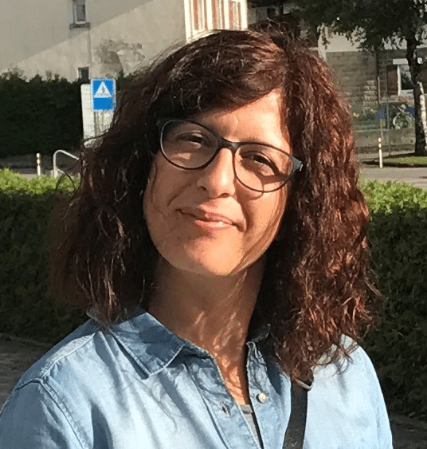
Sofia Gama graduated from Instituto Superior Técnico in Chemical Engineering in 2001 and earned his PhD from the same institution in 2008. After a post-doctoral research at the actual Centro Ciencias Tecnológicas e Nucleares (Instituto Tecnológico e Nuclear on that time) in the group of Dr Isabel Santos (2008/2014) she moved abroad first in Germany (Friedrich Schiller University Jena, 2014/2018), then France (Université de Bourgogne, in Dijon (2018/2020) and finally Poland (University of Bialystok, 2020/2022) where she was appointed as Assistant researcher.
Her interested on thermodynamic studies led her to a strong participation on International Group for the Thermodynamics of Complexes, the ISMEC Group, being its Vice-President since 2025. From Oct 2019 to April 2024, she was the vice-chair of the COST Action CA18202 NECTAR - Network for Equilibria and Chemical Thermodynamics Advanced Research (NECTAR).
She dedicated her career to the study of metal complexes being her more recent research dedicated to the to the understanding of metal homeostasis in different living organisms, studying the metal complexation ability of different natural compounds. In this field, in 2021 she was granted with a NCN OPUS grant (ca. 400 k€) and she is the PI of the project entitled "Tryptophan metabolites and their metal complexes as new drugs in the treatment of colorectal cancer and the regulation of the human gut microbiota". In November 2022 she returned to Portugal, as an Assistant Researcher in C2TN, Tecnico, ULisboa, aiming the use of her experience abroad to develop a new project on the use of bacteria´metallophores for diagnosis and treatment of infection in immunocompromised patients. In 2025 she was awarded with a new project of 250 k€ in the same topic, intituled "Radiolabeled opine-type metallophores as new targeted PET imaging probes for selective detection of Superbugs infection".
Metal-ligand coordination and microbial management: From radioprotection of the microbiome to PET imaging of MDR infections
The interaction between ionizing radiation and the human microbiota presents a dual challenge in modern oncology. While radiotherapy is a primary treatment modality, it frequently induces systemic dysbiosis, compromising patient health. Concurrently, the rise of multidrug-resistant (MDR) bacterial infections in immunocompromised patients necessitates faster, high-precision diagnostic tools. This work explores the pivotal role of metal-complexed small molecules, metabolites and metallophores, in both protecting commensal bacteria and detecting pathogenic threats. The work presented herein is the result of a multidisciplinary study from two projects, integrating coordination chemistry, microbiology, and molecular imaging.
On TrypGut we intended to address the radioprotective potential of the tryptophan metabolite 8-hydroxyquinoline-2-carboxylic acid (8-HQA) and its metal complexes. Inactivation kinetics were performed on individual and co-cultured human microbiota isolates (e.g., Actinomyces viscosus) exposed to ionizing radiation. Preliminary results demonstrate a significant radioprotective effect of the Ga3+/8-HQA complex on A. viscosus, with evidence of a symbiotic survival advantage in oral co-culture models compared to individual assays. This suggests that specific metabolites can preserve the structural integrity of the microbiome during radiotherapy.
Parallelly, on SuperOpTyMe project our focus is the synthesis and chemical speciation of radiolabeled opine-type metallophores (OpTyMe) designed to exploit bacterial metal-uptake pathways for selective PET imaging of MDR infections.
By leveraging the chemical properties of metal-ligand complexes, we can transition toward a "theranostic" microbial strategy. While 8-HQA-based complexes offer a path to mitigating radiotherapy-induced dysbiosis, optimized OpTyMe probes provide the precision required to identify and monitor resistant infections.
Dr. Marija Janković
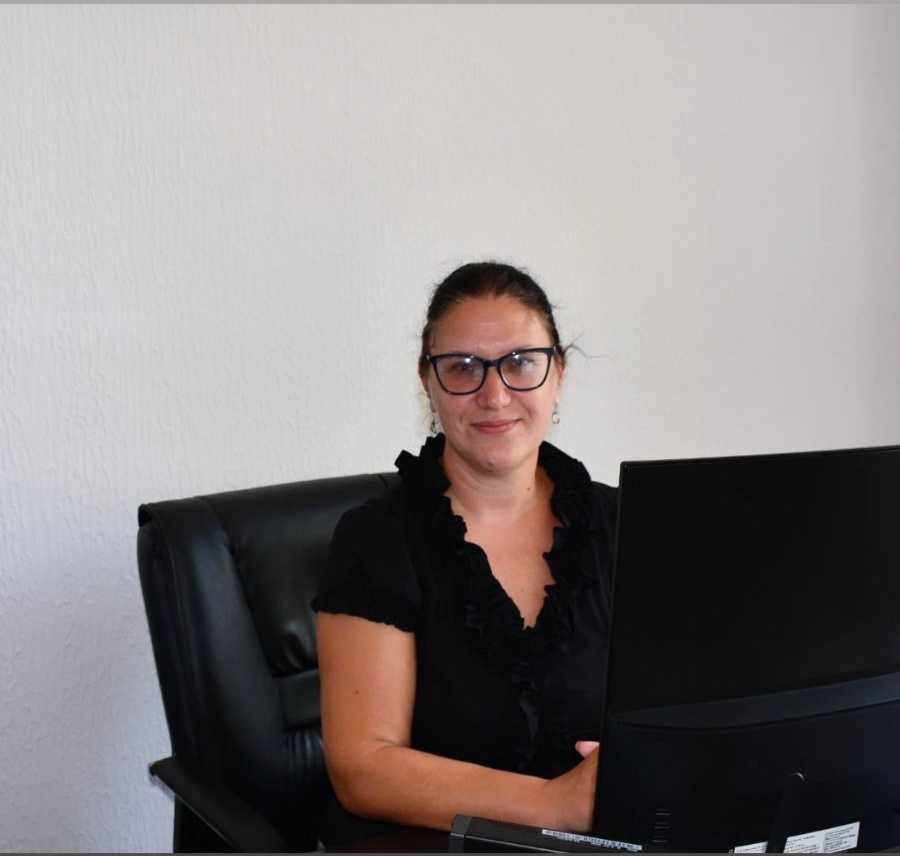
Dr. Marija Janković is a Principal research fellow and Deputy Director at the Vinča Institute of Nuclear Sciences, National Institute of the Republic of Serbia, University of Belgrade. She obtained her PhD in 2013 at the Faculty of Physical Chemistry, University of Belgrade, with a dissertation on Symmetrical index application for monitoring temporal changes of tritium concentration in the waters of environmental. She also holds an MSc (2007) and BSc (2004) in Physical Chemistry from the same institution. Since 2004, Dr. Janković has been employed at the Institute, where she has held multiple positions, including Head of the Sector for Radionuclide Activity Testing, Deputy Director of the Department of Radiation and Environmental Protection Assistant Director for Science, and currently Deputy Director of the Institute.
Her research interests encompass radioecology, radiochemistry, dosimetry, gamma, alpha, and beta spectrometry, and physicochemical characterization of materials. She has led, coordinated and participated in numerous national and international projects, including bilateral projects with Slovenia, Montenegro, and Croatia, as well as collaborations within IAEA technical cooperation programs. Dr. Janković has contributed extensively to mentoring MSc and PhD students, supervising experimental work, and serving on thesis committees.
In addition to her research and leadership roles, she has played an active role in scientific communication and education, participating in the organization of conferences, symposia, and public outreach events such as European Researchers’ Night. She has served on editorial boards, reviewed international projects and scientific papers, and acted as a coordinator for international cooperation, including ALMERA Network and IAEA programs. Since February 2025, she serves as Coordinator for cooperation with the Joint Coordinating Committee of the Ministry of Science, Technological Development and Innovation of Republic of Serbia and the Joint Institute for Nuclear Research in Dubna. Additionally, she has been an active member of the Serbian–Hungarian Subcommission for Water Quality Protection since 2017. To date, she has authored over 70 scientific publications in international journals and over the 250 conference papers, with 1,000 citations and h index 14.
She has received multiple awards recognizing her contributions to fundamental research and radiological protection, and continues to advance scientific knowledge in environmental radioactivity and radiation safety.
Radioactivity in the Environment in the Republic of Serbia - 40 years after Chernobyl, 15 years after Fukushima
Beside the natural sources of radiation present throughout the environment, human activities, nuclear weapons testing and major nuclear accidents such as those occurred at Chernobyl in 1986 and Fukushima in 2011, have introduced additional radioactive materials into the environment and increased environmental radiation levels, traces of which can still be detected today.
Radioactive substances released into the atmosphere during the Chernobyl accident were widely dispersed and mostly settled across the land areas of Europe. In contrast, about 80% of the atmospheric releases from the Fukushima Daiichi nuclear disaster spread over and were deposited in the Pacific Ocean. As a result, the impact on human populations, in terms of radiation exposure and health effects, was significantly lower than in cases where contamination occurs over land (UNSCEAR 2020/2021 Report).
This paper presents an overview and assessment of radioactivity in environment in the Republic of Serbia, four decades after the Chernobyl nuclear accident and fifteen years after Fukushima Daiichi nuclear disaster. The study examines long-term trends in radionuclide activity concentrations in key environmental compartments including air, soil, water, and food products. Particular attention is given to the persistence of artificial radionuclides especially 137Cs, which remains the dominant anthropogenic contributor in radioactivity. In addition to 137Cs, nuclear accidents release other artificial radionuclides in atmosphere. One of the particular biological importance is 90Sr. It is mainly taken into the human body through ingestion especially via milk and dairy products. Due to its chemical similarity to calcium, 90Sr tends to accumulate in bones, where its concentration in the human body is the highest. Tritium (³H) is also an important radionuclide released during nuclear accidents. It is typically found in the form of tritiated water (HTO), which easily mixes with natural water and can enter the human body through drinking water, food, and inhalation.
Monitoring data collected over several decades indicate decline in radioactive concentrations due to radioactive decay and environmental processes such as migration dilution and fixation in soil layers. Current activity levels are generally within regulatory limits and do not pose a significant risk to human health or the environment. Radioactivity monitoring in the Republic of Serbia is regulated, among other regulations, by the Rulebook on the Establishment of a Programme for Systematic Environmental Radioactivity Assessment (Official Gazette of RS, No. 100/2010).
Results of radioactivity monitoring in the Republic of Serbia were previously presented in the monograph Chernobyl – 30 Years After, 2016 ( https://dzz.org.rs). Here, we provide updated findings after forty years of continuous monitoring, including the impacts of the Chernobyl accident and the Fukushima Daiichi nuclear disaster. These data highlight the importance of ongoing environmental surveillance and provide an overview of artificial radioactivity trends over four decades.
Keywords: radioactivity monitoring, environment, Chernobyl, Fukushima, artificial radionuclides
Acknowledgments: The research presented in this paper was done with financial support of the Ministry of Science, Technological Development and Innovation of the Republic of Serbia, within the funding of scientific research work at the University of Belgrade, Vinča Institute of Nuclear Sciences (Contract No. 451-03-33/2026-03/ 200017)
António Paulo
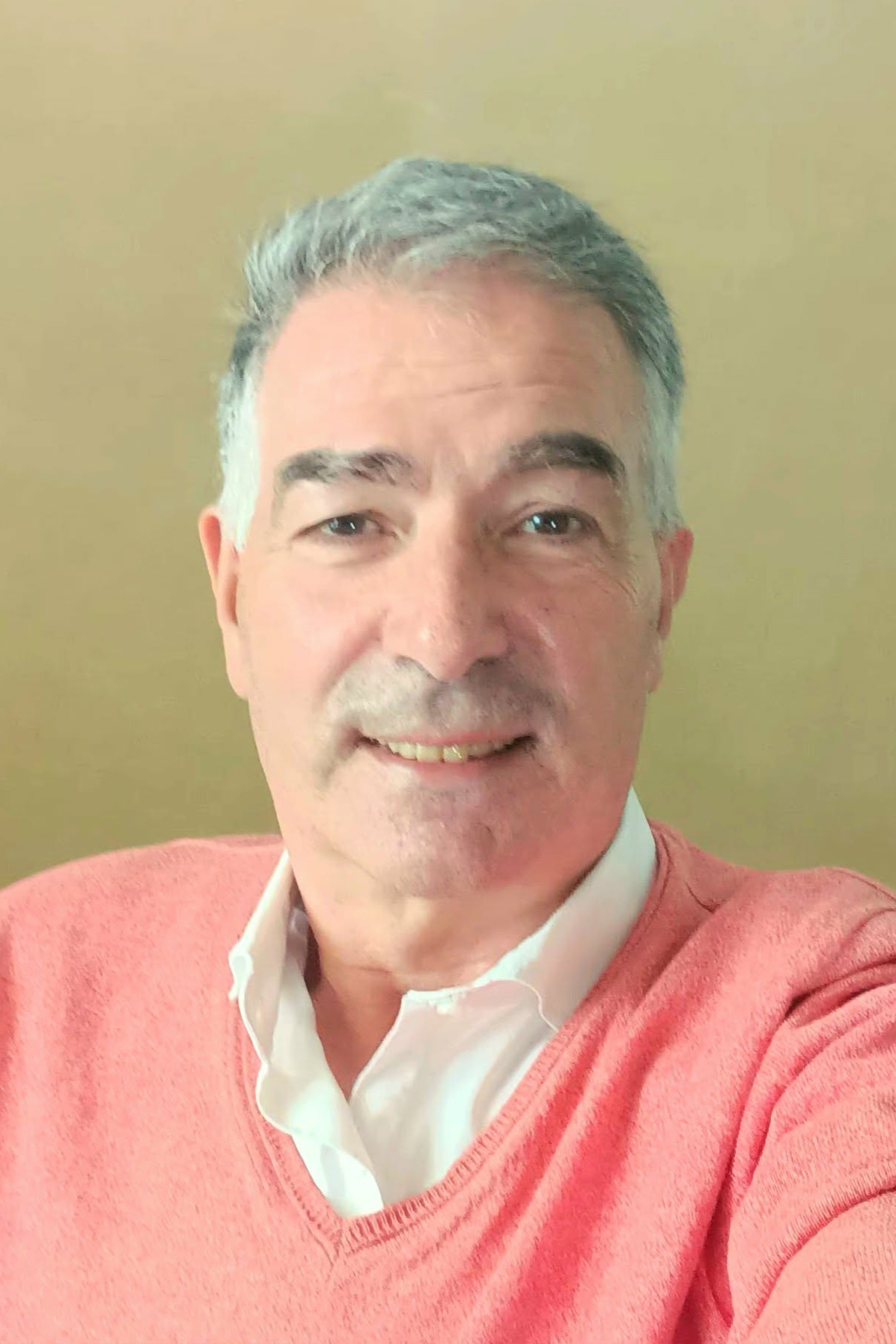
António Paulo is Coordinator Researcher at the Department of Nuclear Sciences and Engineering (DECN) and Center for Nuclear Sciences and Technologies (C2TN) from IST. He has a PhD in Chemistry and his research work is centered in the development of radioactive molecules for diagnostic and therapeutic applications in Nuclear Medicine, with skills in inorganic and organometallic chemistry and radiochemistry of medically relevant metals. Currently, his main research interests are focused on molecular and nanometric (radio)compounds for imaging and/or therapy of cancer, based on peptidic molecules and on beta- and Auger-emitting radiometals.
Sub-cellular delivery of Auger electron emitters for improved radiotheranostics of prostate cancer
In the past few years, theranostic radiopharmaceuticals targeting the Prostate-Specific Membrane Antigen (PSMA) opened new avenues for the treatment and management of prostate cancer (PCa). In particular, a variety of PSMA inhibitors were labelled with different imaging and therapeutic radionuclides, leading to the development of the β - emitting 177Lu-PSMA-617 (Pluvicto), approved by the FDA and EMA for targeted radionuclide therapy of PSMA-positive metastatic castration-resistant PCa (mCRPC). More recently, 161Tb started to be considered a promising therapeutic radionuclide and an attractive alternative to 177Lu. 161Tb is a β - emitter but also emits conversion electrons and Auger electrons (AE) and thus is expected to allow a combined beta and AE therapy with improved therapeutic index, particularly for disseminated cancer disease. AEs show a high linear energy transfer over a nanometric range. Thus, the specific targeting of highly radiosensitive organelles in tumoral cells, like the nucleus or the mitochondria, might enhance the therapeutic effects of AEs at lower administered doses, while minimizing undesirable side effects. Having this in mind, we have embarked on the study of dual-targeted 161Tb-radiocomplexes, carrying a PSMA derivative and acridine orange (AO) or triphenyl phosphonium (TPP) groups to promote selective uptake by PCa cells and accumulation in the nucleus or mitochondria, respectively. The study was also extended to congener complexes with the AE emitter 111In.
In this communication, we describe the preclinical evaluation of the above mentioned dual-targeted radiocomplexes in cellular and animal models of PCa, aiming to assess their interest as PCa radiotheranostics. These dual-targeted radiocomplexes were obtained with DOTA-based chelators carrying PSMA and AO and TPP derivatives. Their in vitro biological evaluation included cellular uptake, internalization and PSMA-blocking studies in PSMA-positive PC3 PIP and PSMA-negative PC3 FLU cells, nuclear and mitochondrial uptake studies, and assessment of radiobiological effects (e.g., clonogenic survival and gamma-H2AX assays). µSPECT/CT imaging studies in mice with PSMA-positive PCa xenografts were also performed for selected 161Tb- and 111In-complexes. The designed dual-targeted 161Tb- and 111In-radiocomplexes had a favourable biological performance, showing high and specific cellular uptake and internalization in PSMA-positive PCa cell lines, and higher radiotoxicity than the corresponding single target complexes 161Tb- and 111In-PSMA-617. Our results highlight the potential of the devised dual-targeted strategy to optimize the biological performance of radiotheranostics for Auger therapy of cancer.